Campus marketing for fintech is about moving a student from “I have heard of this app” to “I have made my first payment on it”, and the real work happens in the weeks around admission, hostel move-in and the first fee payment. A bank or payment app wins a campus by being present at the exact point a student needs a new account or a new way to pay, not by handing out branded pens.
This guide covers what happens on and around the campus for the category: where the first account is opened, what can and cannot be done at a stall, how colleges treat financial brands, and what a first-transaction campaign looks like. It belongs to our broader campus marketing series. Ambassador-program design is covered in the campus ambassador program hub, and the overall category view is on our fintech campus marketing page.
The campus moments where money decisions are made
Students make financial choices in clusters, and each cluster has a date.
- July to August, admissions and orientation. First years need an account for fee refunds, scholarships, hostel deposits and pocket money from parents. This is the single best window for account opening.
- Hostel move-in and the first month. Mess fees, laundry, stationery, canteen, printouts. Cash is awkward and UPI becomes habit within weeks.
- October to March, fest season. Cashless fest wallets, ticketing, merchandise stalls and food courts create a payment-heavy fortnight on campus.
- August to February, final-year placements. Final years get their first salary-account conversation, and employers often name a bank.
- Scholarship and stipend disbursal. Whenever a scholarship lands, the student looks at which account it landed in.
About 4.33 crore students are enrolled in Indian higher education (AISHE 2021-22), so even a modest share of new accounts per campus adds up quickly. The competition is also real: many colleges already have a banking partner for fee collection, so your first conversation is often with the registrar or accounts office, not with students.
What is different about a financial brand on campus
Three things set fintech apart from FMCG or fashion.
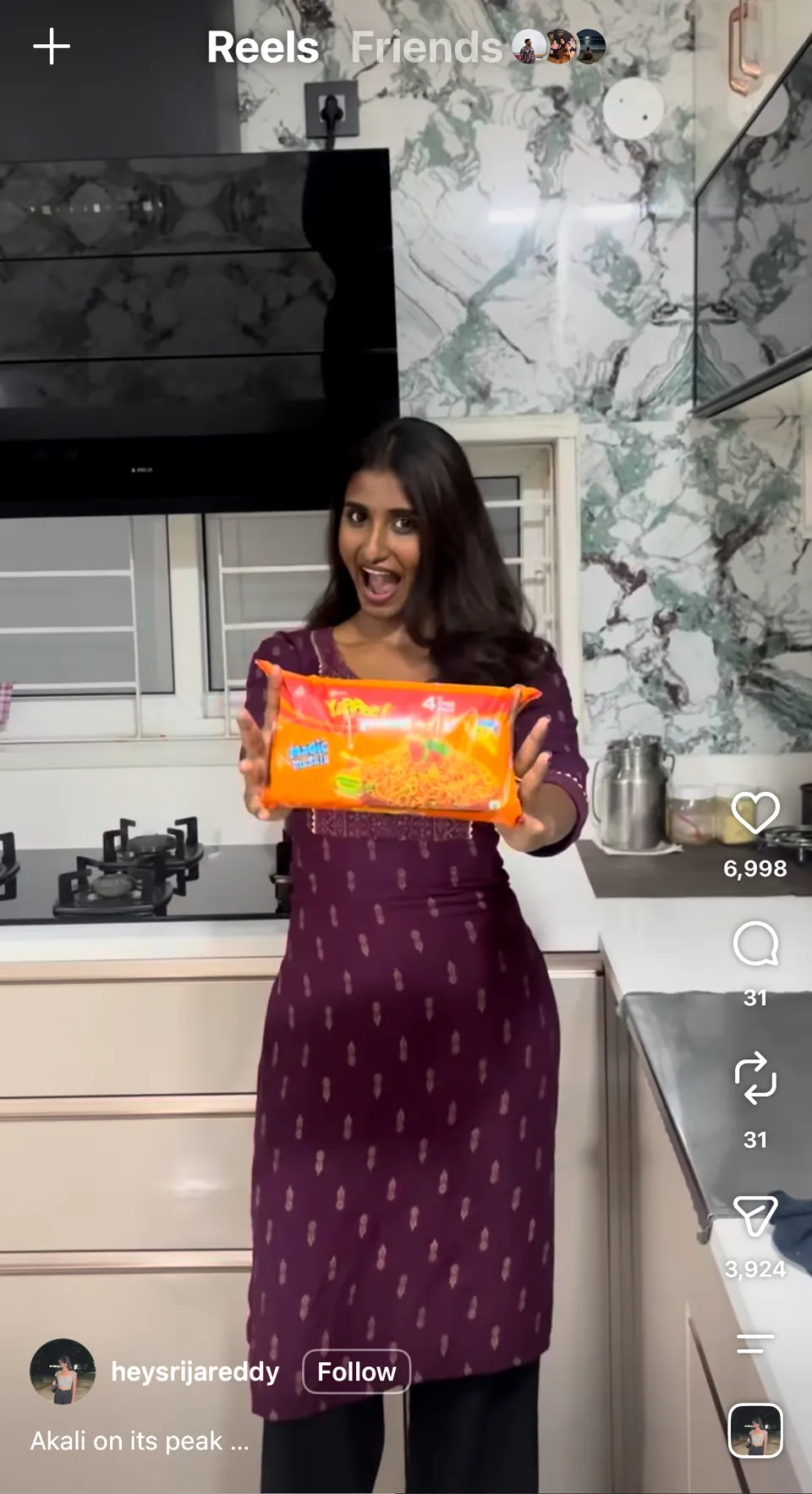
The product needs identity, not taste. A student cannot try an account at a stall the way they try a noodle. Opening an account involves KYC, a phone linked to Aadhaar or other identity documents, and a regulated entity at the back. The stall can raise intent and start the journey. It should not collect sensitive documents.
The audience is cash-light. A first-year may have a few thousand rupees a month. Offers that need a large deposit or a big first spend fail. Offers that reward a small, repeated, real use (paying the canteen, splitting a bill, a metro top-up) fit.
Colleges are cautious. A principal who would welcome a noodle sampling will think twice before letting an unfamiliar finance brand talk to eighteen-year-olds. You need a reason the college can defend to parents.
Compliance limits to design around
Your compliance team owns the final word, but the campus plan should assume these limits from day one.
| Area | What to design around |
|---|---|
| KYC and documents | Do KYC inside the regulated app or branch flow. Never ask students to hand over Aadhaar, PAN or card photos at a stall or on an ambassador’s WhatsApp |
| Claims | No promises about returns, guaranteed rewards or “free money” in posters or reels; keep offer terms visible and consistent with what the app shows |
| Minors | Students under 18 sit under different rules for accounts and products; check your product’s age criteria before targeting first years |
| Credit and investing | Credit lines, loans and investment products face stricter marketing rules than payments; confirm with RBI and SEBI guidance applicable to your licence (RBI, SEBI) |
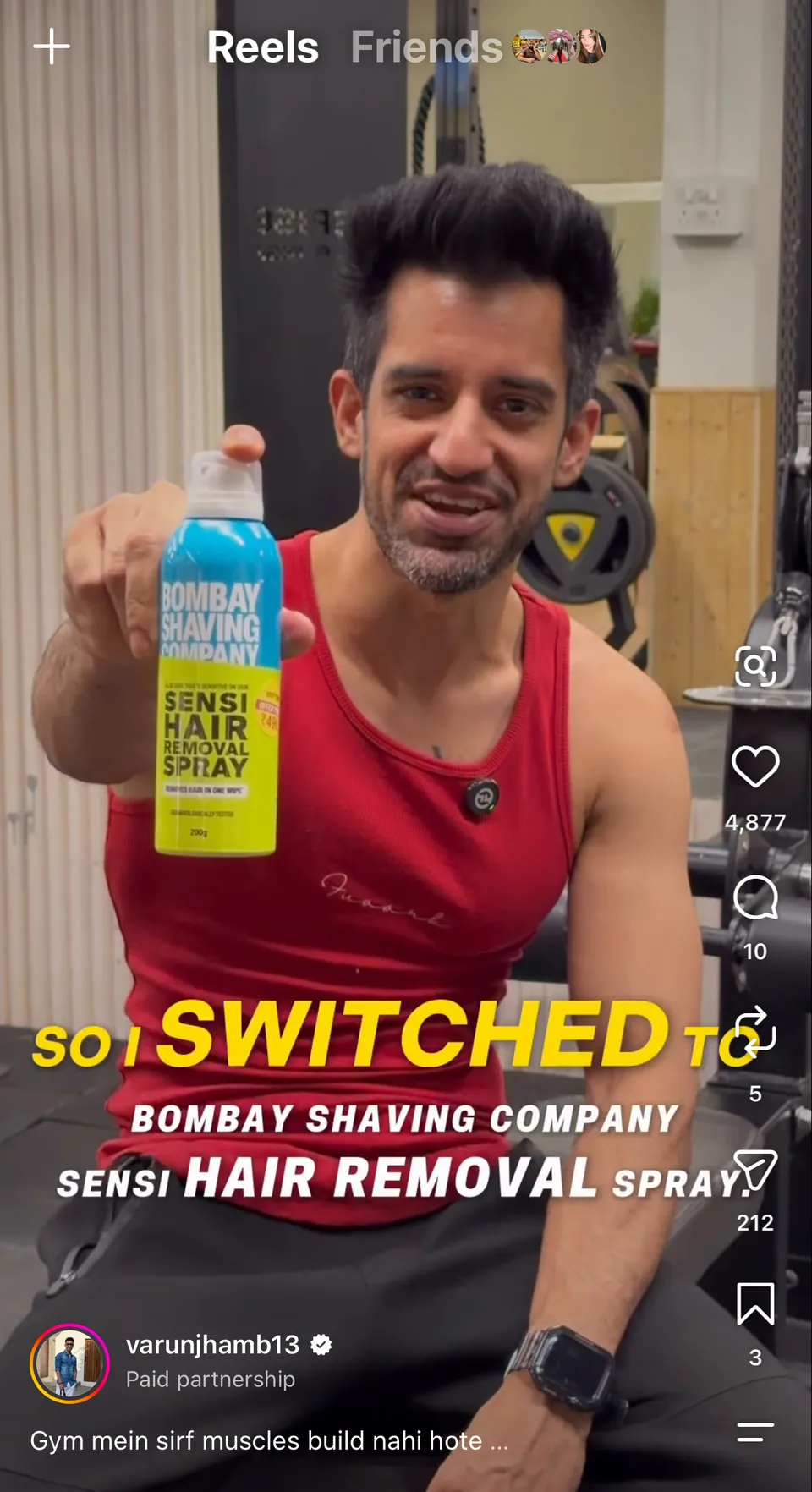
| Disclosure | Student creators and ambassadors who are paid or rewarded must label posts with clear disclosure such as #ad or #collab, as the ASCI influencer guidelines require |
| Incentives | Cash-back or referral rewards should be defined in terms and conditions before any ambassador shares a code |
None of this is a reason to avoid campuses. It is a reason to brief ambassadors with a short “can say, cannot say” sheet and to keep any sensitive step inside your app.
Formats that work for a first account and first transaction
| Format | Where | What it produces | Watch-out |
|---|---|---|---|
| Admission-season help desk | Next to the admission or fee counter, with college approval | Download, sign-up and account start while the student is already filling forms | Needs the registrar’s written permission and a clear “no sales pressure” rule |
| Fest cashless partner | Fest food court, merch and ticketing | Hundreds of small real payments in a short window | Fest committees want money or exclusivity; offers must not expire before the fest ends |
| Finance society workshop | Commerce or management college, E-Cell | Credible talk on budgeting, UPI safety, first salary | Must not become a product pitch or it loses the room |
| Canteen and stationery merchant tie-up | Canteen counters, photocopy shops | Student sees the QR where they actually pay | Merchant onboarding is a separate workstream from student acquisition |
| Hostel referral week | Hostel wings via hostel reps | Friends refer friends with a code | Needs fraud controls on referral rewards |
Referral mechanics are covered in detail in our ambassador content, but the EatSure case is a useful pattern for any app. When we ran EatSure’s youth acquisition with ambassadors and creators on the Campus50 code, the result was 10K+ app installs, 30K+ unique signups and a 40% ROI. A financial product has a longer path to first use, so measure the first transaction, not the install. See the EatSure case study and our app user acquisition service for how that tracking is set up.
A sample plan, clearly hypothetical
For example, a UPI payments app launching a student account in Delhi and Chandigarh might aim for the August to October window, targeting 25 colleges across the two regions. This sits near the multi-city band of ₹5 to 15 lakh before GST for a programme with ambassadors and activations. It is an illustration, not a result from a past campaign.
| Phase | Weeks | What happens |
|---|---|---|
| Approach | 1 to 3 | Registrar and accounts-office meetings; society and hostel-rep outreach; compliance sheet signed off internally |
| Admission desk | 3 to 6 | Desks at 8 larger colleges during fee payment; ambassadors elsewhere |
| First-spend push | 5 to 9 | Canteen-QR offer at 10 colleges; hostel referral week |
| Fest tie-in | 9 to 14 | Cashless fest partner at 3 to 4 fests |
| Review | 15 | Verified accounts, first transactions, repeat transactions by week four |
The brief to each ambassador would carry the app name, the code, the offer terms in one line, the can-say list and one fixed question to ask: “Do you already pay by UPI at the canteen?”
How to measure the campaign
Put a unique code or link for each college and each ambassador, as the campus ambassador program service sets up. Track four numbers per college: installs, completed KYC, first transaction within 7 days, second transaction within 30 days. Cost per verified account is the number your finance team will trust, and cost per install is the one to be cautious about.
Be honest about trade-offs. Installs from a fest booth come fast and many never complete KYC. Admission-season desks give lower volume with much higher account-completion. A cashless fest partnership gives huge transaction counts and very little lasting account value unless the offer is tied to the main account.
Where campus fintech campaigns go wrong
- A booth asks for documents on the spot and the college pulls the permission.
- The offer needs a deposit most students do not have.
- Ambassadors paraphrase the offer and promise things the terms do not.
- The campaign runs in November or April when students are in exams and the first-spend habit does not form.
- No one at the college has agreed to the activity, so a warden shuts it down on day one.
You can see how we approach city-wise rollouts on the Delhi campus marketing page. If you are weighing a pilot, our campus marketing agency team can scope one, and you can reach us through the contact page; we reply within 2 working hours and send a plan with an indicative budget within 48 hours.
Questions people ask
How do fintech apps and banks do campus marketing in India?
They show up where a student needs money tools: admission and fee counters, hostel move-in, fest food courts and finance society events. The stall or ambassador explains the offer and starts sign-up, and KYC happens inside the regulated app. The goal is a verified account and a first real transaction.
Can a bank open accounts on a college campus?
Banks do run campus account-opening drives, usually with the college’s written permission and through their own regulated process. A brand’s ambassadors should not collect identity documents themselves. Check your compliance team’s rules, because requirements differ between banks, payment apps and other regulated products.
What is the best time to market financial products to college students?
July to August is the strongest window, because first years need accounts for fees, scholarships and hostel deposits. October to March fest season suits cashless-payment campaigns. Avoid November to December and April to May, when exams reduce student attention and the habit of using a new app rarely forms.
How much does a fintech campus campaign cost?
A single-city pilot starts from ₹2 lakh. A multi-city programme with ambassadors, activations and creators is ₹5 to 15 lakh, and national programmes across 50+ colleges are ₹15 to 50 lakh and above, all before GST. Incentive budgets for referrals are separate and set by your own unit economics.
What can student ambassadors say about a financial product?
They can describe the app, share the code and read out the offer terms exactly as published. They should not promise returns, guarantee approvals or collect documents. Paid or rewarded posts need a clear disclosure such as #ad or #collab under ASCI’s influencer guidelines.
How do you measure a fintech campus campaign?
Track installs, completed KYC, first transaction within 7 days and repeat use within 30 days, per college and per ambassador code. Cost per verified account is more reliable than cost per install, because many installs from stalls never finish onboarding.