Gen Z marketing for fintech in India works when the brand earns trust before it asks for a signup. Young users are comfortable with UPI and quick to try a new app, but they are wary of anything that sounds like a promise about money. The winning creative explains one clear thing, shows the cost and respects the rules that apply to financial promotions.
This article covers the consumer side of Gen Z marketing for fintech: how students and first-jobbers think about payments, credit and investing, what creative earns belief, and where ASCI, SEBI and RBI rules shape what you can say. For on-campus execution, see our fintech campus marketing page.
How Gen Z in India actually relates to money
Attitudes to money differ across a group that runs from first-year students living on a monthly allowance to first-jobbers on a first salary. Four patterns hold up across both, based on what we see on campuses and in creator briefs.
Payments are normal, not a novelty. UPI is how most young people in cities and many in towns pay for chai, rent splits and fest tickets. A fintech brand does not need to explain what a digital payment is. It needs to explain why it is better than the app already on the phone, and “better” has to be specific: fewer failures, faster splits, clearer history.
Money is social. Students split bills, borrow from friends and pool money for trips. Products that fit that behaviour, such as splitting, reminders and shared goals, get discussed in hostel groups in a way that a generic savings account never does.
Credit is attractive and feared. Many young people want a first credit card or a buy-now-pay-later option, and many have also seen friends or family struggle with debt. Creative that hides fees and interest reads as a trap. Creative that states the cost plainly stands out.
Investing is curiosity plus caution. First-jobbers and final-year students are curious about mutual funds and stocks, and they have also seen market falls and heard about misleading online advice. They look for sources that explain, not sources that promise.
For how these attitudes shift between metros and smaller cities, read Gen Z consumer behaviour in tier-2 cities.
What earns trust in fintech creative
Trust in this category is built from small, boring-looking details. Here is what to put in the creative.
| Trust signal | What it looks like | What breaks it |
|---|---|---|
| Plain explanation | One feature explained in a single short video or story | A reel with five benefits and no clear first step |
| Visible cost | Fees, interest and charges shown on screen, not in a footnote | “Zero hassle” or “no hidden charges” with unexplained terms |
| Real screens | Actual app screens in a real situation | Stock footage of laughing students |
| A human who uses it | A student or first-jobber showing their own use, with disclosure | A creator reading a script they clearly do not believe |
| Proof of who is behind it | Regulatory status and company name easy to find | Anonymous-feeling brand with no visible entity |
| Honest limits | “This is for people who pay rent monthly and want to split bills” | Claiming the product is for everyone |
A good test for a fintech script: could a sceptical friend say “so what is the catch?” If the creative already answers that, you are ahead.
Formats that work for fintech
Not every format suits a product where the viewer is worried about money. Use content formats by job.
- Explainer reels and story sequences for how a feature works. A three-story sequence (the problem, the screen, the first step) works better than a single polished film.
- Creator walkthroughs where a student shows what they did in the app, including something that went wrong and how it was fixed.
- Live Q&A and explainers for products with more complexity, such as credit or investing. The audience gets to ask the awkward question.
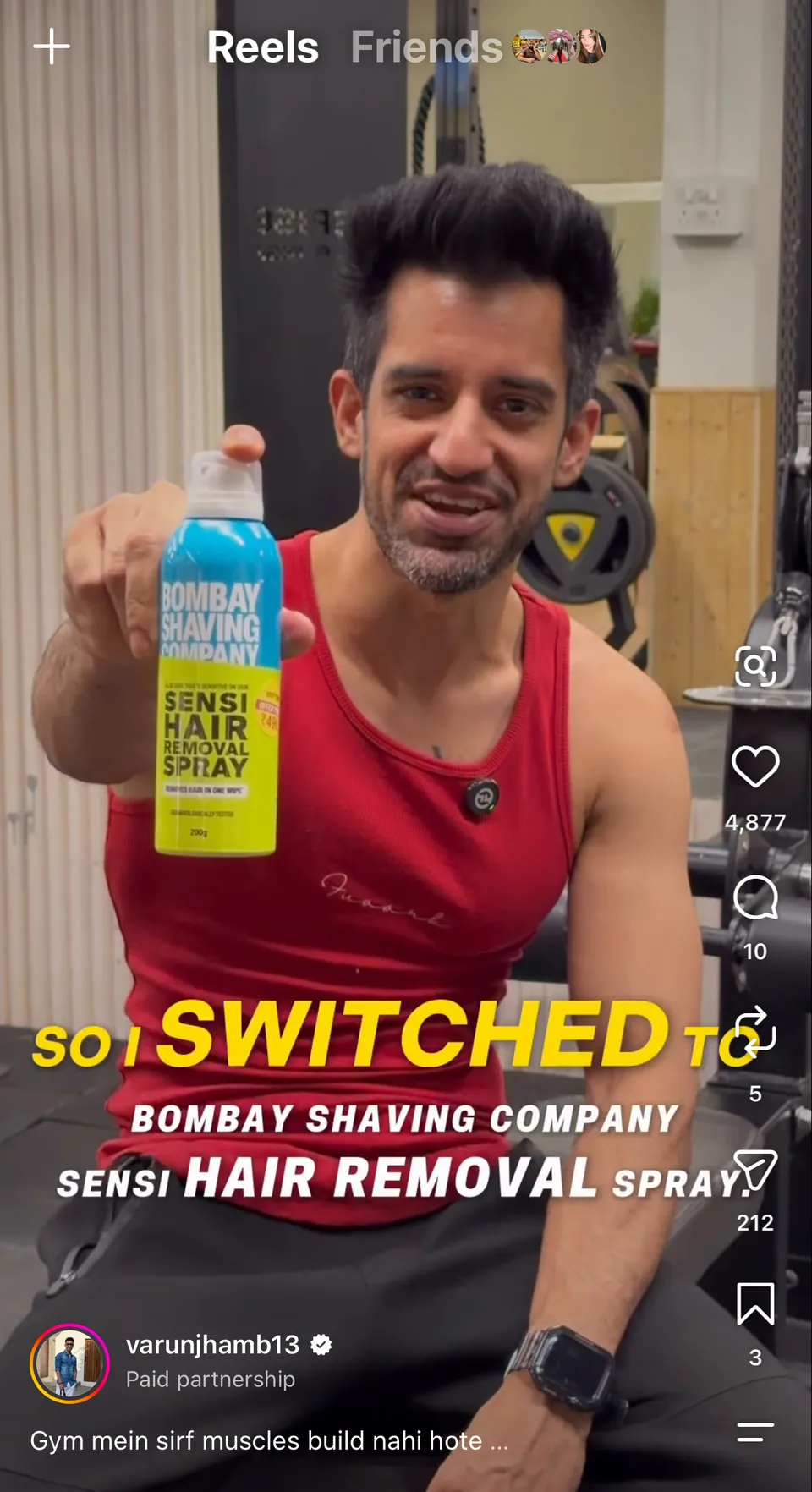
- Memes for awareness only. A meme about month-end broke feelings or splitting bills with friends makes the brand familiar. It must not carry a rate, a return or an offer. Our meme marketing team keeps these separate from claims.
- Campus referral codes for acquisition, because they turn trust that already exists between friends into a trackable signup.
When we ran youth acquisition for EatSure through ambassadors and creators with the Campus50 referral code, the numbers (10K+ app installs, 30K+ unique signups, 40% ROI) came from the same mechanism fintech uses: a peer recommends, a code makes it countable. Food delivery is not fintech, but the referral logic transfers. See the EatSure case study and our app user acquisition service.
Compliance: the rules that shape your creative
Financial promotions in India sit under several regulators. This section is a briefing, not legal advice. Your compliance team or counsel has the final say on any claim.
- ASCI. The Advertising Standards Council of India’s code covers misleading advertising and has specific guidelines on influencer advertising. ASCI’s Guidelines for Influencer Advertising in Digital Media (2021, updated 2023) require clear disclosure labels such as #ad or #collab on paid or barter posts, including posts by student creators and ambassadors. Read them at asci.social.
- SEBI. The securities regulator governs investment advice, advertising by registered intermediaries and who can give advice on securities. If your product touches mutual funds, stocks or investment advice, check SEBI’s current rules and circulars on advertising and on creators or influencers before briefing anyone. See sebi.gov.in.
- RBI. The central bank governs banks, non-bank lenders, payment system operators and digital lending. Lending and credit creative, including disclosures about interest and fees, is shaped by RBI guidelines and circulars. See rbi.org.in.
Practical rules we apply in briefs for regulated categories:
- Every paid or barter post carries a disclosure. Put it in the brief and check it at approval.
- No promised or implied returns. Creators do not say what a fund, stock or product “will” earn.
- Cost and risk are stated, not hidden. Where the product has fees or interest, the creative shows them.
- Creators do not give personal investment advice unless they are registered to do so under the relevant rules. The safer default is to have creators describe what they use and why, and to avoid recommending what the viewer should buy.
- Compliance sees the script before filming. Fixing a script is cheap. Taking down a published reel is not.
- Approved claim list. Give creators a short list of statements they may use and a list they may not.
A worked example
For example, a hypothetical bill-splitting and pocket-money app launching in Pune, Bengaluru and Hyderabad for college students might run like this.
| Phase | Weeks | What happens |
|---|---|---|
| Plan and compliance | 1 to 2 | Approved claim list, disclosure wording, creator brief, campus codes set up |
| Seed | 3 to 4 | Fifteen to twenty student creators across the three cities make walkthroughs and story sequences |
| Campus layer | 5 to 8 | Ambassadors run hostel and canteen sessions where students install and split a real bill together |
| Review | 8 | Compare signups, first-transaction rates and cost per activated user by college |
Timing matters. Admissions and orientation (July to August) are good for new-user acquisition, as first years set up payments and accounts for the first time. Fest season (October to March) suits bill-splitting and event-ticket use cases. Exam weeks are poor for anything that needs attention. If the objective is financial literacy content, partner with a society and not just a creator, and use the programme design in how campus ambassador programs work.
What to measure
Measure activated users, not installs: someone who completed a first payment, linked an account or made a first deposit. Add retention at a fixed interval. Track the share of posts that carried a correct disclosure, which is a compliance metric and a quality metric. Measuring Gen Z marketing covers the dashboard.
If you want a plan for a fintech launch aimed at students and first-jobbers, contact us and we reply within 2 working hours. Our Gen Z marketing agency page explains how we work.
Questions people ask
How do you market a fintech product to Gen Z in India?
Explain one clear feature, show the real cost, and let a peer demonstrate it with disclosure. Use UPI-style simplicity as a benchmark. Avoid promised returns or vague claims. Use campus referral codes for acquisition and keep compliance in the loop before any creative is filmed.
Does Gen Z trust fintech influencers?
Trust depends on specificity and honesty. A creator who shows their own use, states the cost and admits a limitation is more believable than one reading a script. Followers often notice when a creator has no real connection to the product, so choose creators who plausibly use it.
Can influencers promote financial products in India?
They can, subject to the rules. Paid or barter posts need clear disclosure under ASCI’s influencer guidelines, and investment-related content is shaped by SEBI’s rules. Lending content is shaped by RBI requirements. Check the current rules with your compliance team before briefing any creator.
What kind of content works best for Gen Z fintech campaigns?
Short explainers, story sequences with real app screens, creator walkthroughs and live Q&A for more complex products. Memes can build familiarity but should not carry rates, returns or offers. Referral codes make peer recommendations measurable.
Is campus marketing effective for fintech apps?
It can be, particularly for products built around payments, splitting and first accounts, because students influence each other quickly. The execution details are on our fintech campus marketing page. Results depend on the product being genuinely useful to students and on clear, compliant claims.
When is the best time to run a fintech campaign for students?
Admissions and orientation, July to August, suit new accounts and first-time setups. Fest season, October to March, suits payments and splitting. Avoid exam periods in November to December and April to May for anything that needs attention.
This is general information, not financial or legal advice.